
EV Charger Installation in Greater Montreal: 9 Checks Before You Buy
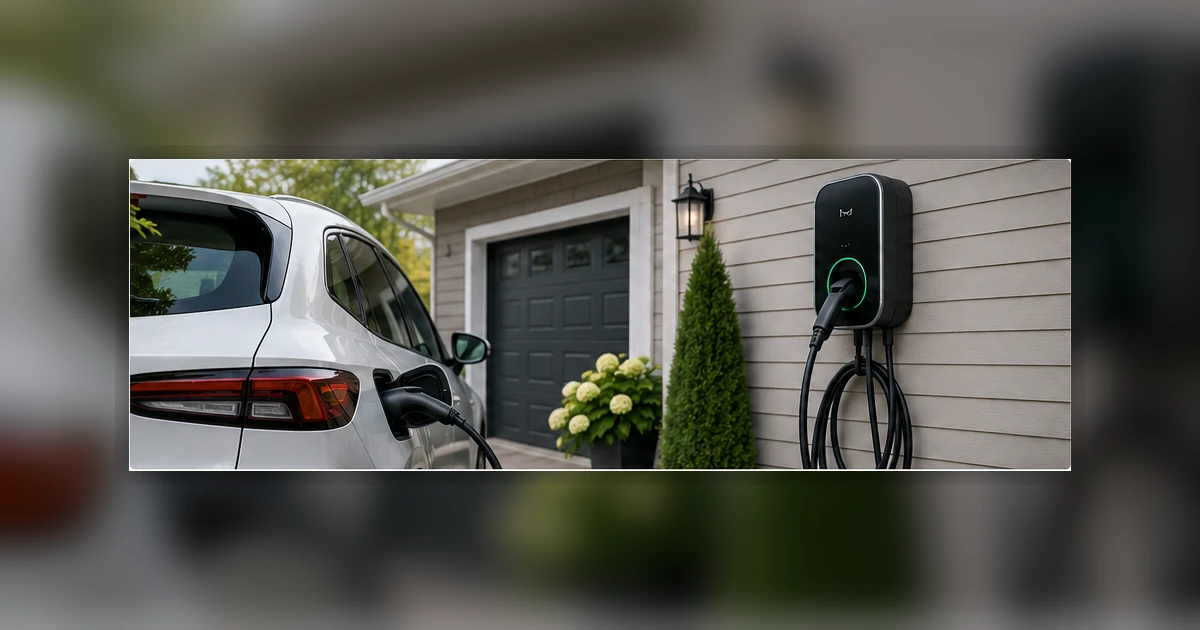
EV charger installation in Greater Montreal should begin with an electrical assessment—not with choosing the most powerful charger on the shelf. The right home-charging setup depends on your vehicle, daily driving, electrical-panel condition, available capacity, parking location and the route between the panel and the charging station.
Last updated: July 28, 2026
Why Home EV Charging Needs a Property-Specific Plan
An EV charger is a substantial electrical load that may operate for several hours. Two homes using the same vehicle can therefore require very different installation plans. One property may have a modern panel beside an attached garage, while another may have a full panel in the basement, outdoor parking on the opposite side of the house and several existing electric loads.
The assessment should consider electric heating, air conditioning, a heat pump, a water heater, a range, a dryer, a spa, a pool, a workshop and any planned electrification projects. The number shown on the main breaker is important, but it is not the only factor used to determine whether the property can support the proposed charging load.
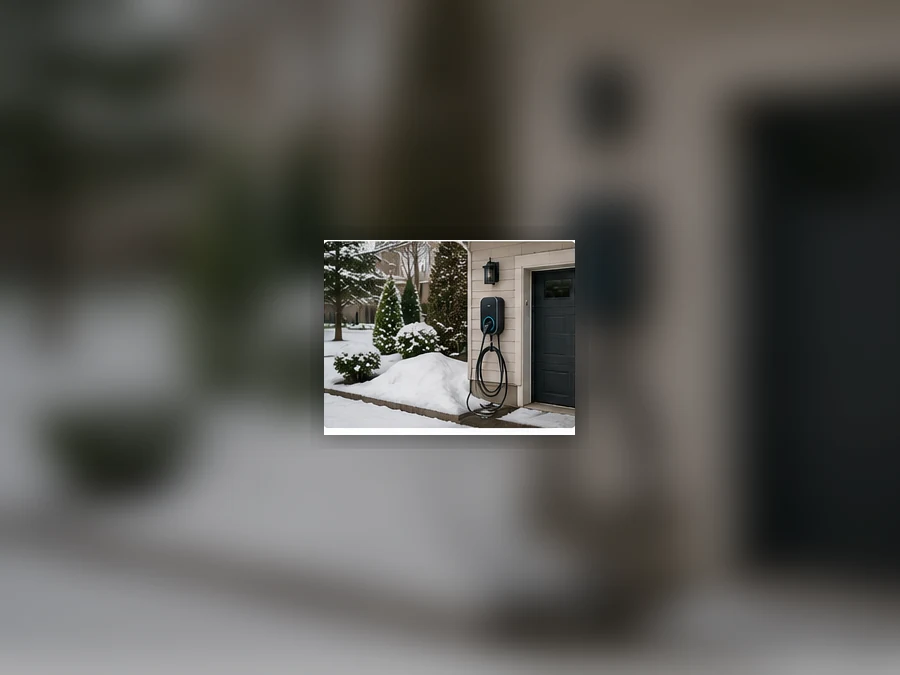
This planning is especially relevant across Greater Montreal, where detached homes, duplexes, townhouses and condominiums have different electrical arrangements. In West Island communities such as Pointe-Claire, Dollard-des-Ormeaux, Kirkland, Dorval and Beaconsfield, the route may involve an attached garage, a long driveway or an exposed exterior wall. The design should account for how the charger will be used through snow, freezing rain, freeze-thaw cycles and regular snow removal.
Level 1 or Level 2: Which Home-Charging Setup Makes Sense?
| Charging type | Typical supply | Common use | Main consideration |
|---|---|---|---|
| Level 1 | 120 volts | Plug-in hybrids, low daily mileage or long overnight parking periods | Slower charging, but it may be sufficient for some households |
| Level 2 | 240 volts | Battery-electric vehicles or households needing faster home charging | Usually requires a suitable dedicated electrical connection |
A more powerful charger is not automatically the best choice. Charging speed is limited by the vehicle’s onboard charger, the charging station, the circuit and the configured current. A moderately powered unit may replenish the energy used during a normal commute overnight while reducing purchase and installation costs.
EV Charger Installation in Greater Montreal: 9 Checks Before Work Begins
1. Confirm the Charging Level Your Driving Actually Requires
Start with your driving habits rather than the charger’s maximum advertised amperage. Consider your average daily distance, how long the vehicle remains parked, the vehicle’s maximum AC charging capacity and whether a second electric vehicle may be added later.
A household that drives a modest distance and parks for ten or twelve hours may not benefit from the largest available charger. Choosing an adjustable model can provide flexibility without forcing the electrical installation to be oversized.
2. Complete a Load Calculation Before Buying Equipment
A load calculation evaluates the home’s existing and planned electrical demand. The contractor may need to consider:
- electric space heating and air conditioning;
- heat pumps and auxiliary heating;
- electric water heating;
- the range, dryer and major appliances;
- spas, pools, saunas and workshops;
- secondary suites or additional kitchens;
- future equipment such as another EV charger.
This assessment helps determine whether the proposed charger can use the existing service, whether its current should be limited or whether approved load-management equipment should be considered.
3. Determine Whether the Electrical Panel Needs Work
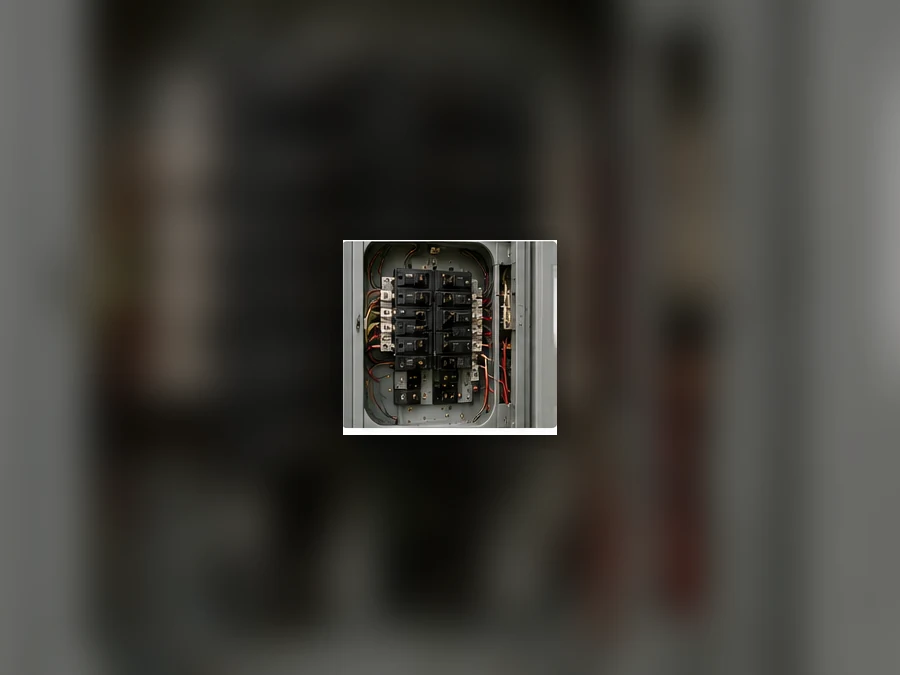
An EV charger does not automatically require a complete panel or service replacement. Depending on the assessment, possible solutions may include:
- using the existing service and an approved breaker position;
- adding a properly designed subpanel for circuit distribution;
- configuring the charger at a lower current;
- installing approved load-management equipment;
- correcting defects in the existing panel;
- upgrading a deteriorated or insufficient service when justified.
A subpanel can provide additional circuit positions near the garage or parking area, but it does not create additional electrical-service capacity. The feeder, service and calculated demand must still support the planned load.
Read Daricson’s guide to an electrical panel upgrade in Greater Montreal before treating a 200-amp service as the default answer.
4. Match the Circuit, Breaker, Wiring and Charging Station
The breaker, conductors, terminations, connection method and charging-station settings must function as one coordinated installation. The circuit must be designed for the equipment and its long-duration load, following the manufacturer’s instructions and the electrical requirements applicable to the property.
Hardwired and receptacle-based installations have different considerations. A receptacle is not a universal shortcut. Its rating, enclosure, location, connection quality and intended use must all be appropriate for the charging equipment.
5. Choose a Location That Works Throughout the Year
The cable should reach the vehicle without crossing a walkway, driving path or snow-removal route. Before choosing the mounting location, consider:
- the side of the vehicle containing the charging port;
- the parking position of a future second EV;
- charging-cable length and safe storage;
- garage-door movement;
- snowbanks, shovels and snowblowers;
- rain, freezing rain, ice and direct sun;
- drainage and equipment height above grade;
- protection from vehicle impact.
Outdoor equipment must be approved for the environment in which it is installed. A charging station designed for a protected garage is not necessarily appropriate for an exposed driveway.
6. Plan the Cable Route Before Approving the Quote
The distance between the panel and the parking space can significantly affect cost and disruption. The route may pass through a finished basement ceiling, garage wall, attic, crawlspace, exterior conduit or underground section.
Ask how the installer will protect finishes, seal exterior penetrations and maintain required fire separations. The written scope should state whether drywall opening, coring, trenching, patching, painting and exterior restoration are included or excluded.
7. Verify Municipal, Utility and Electrical Procedures
Permit and administrative requirements can vary according to the municipality, building type and scope of work. The contractor should explain who is responsible for electrical declarations, municipal permits, utility coordination, inspections and project documentation.
For a West Island property, confirm the procedure with the municipality where the home is located rather than assuming that one Montréal-wide process applies to Pointe-Claire, Dollard-des-Ormeaux, Kirkland, Dorval, Beaconsfield and neighbouring municipalities.
8. Compare Written Scopes, Not Only Final Prices
A useful proposal should identify:
- the charging-station make and model;
- the maximum and configured charging output;
- the circuit and breaker rating;
- the cable or conductor type and route;
- hardwired or receptacle connection;
- the load calculation and any management equipment;
- panel, subpanel or service work;
- outdoor mounting and physical protection;
- permits, declarations and utility coordination;
- wall, ceiling and exterior restoration;
- testing, labelling, warranty and exclusions.
A low price may exclude a long cable route, panel corrections, drywall repairs, trenching or administrative work. Compare the complete scope rather than the total alone.
9. Future-Proof Carefully Without Unnecessary Oversizing
Future planning may include an accessible conduit route, an adjustable charging station, capacity for load management or a plan for a second vehicle. It does not always require installing the largest charger and replacing the entire service immediately.
The best plan balances present driving needs, realistic future loads, installation cost and the actual capacity of the property.
What to Expect During a Professional Installation
- Site assessment: The contractor reviews the service, panel, major loads, proposed charging location and cable route.
- Load and equipment review: The charging requirement is compared with available capacity and possible load-management options.
- Written scope: The proposal identifies electrical work, restoration, permits, responsibilities and exclusions.
- Installation: The circuit, protection, wiring and charging station are installed and labelled.
- Testing and handover: The installer verifies operation, explains the settings and provides the relevant documentation.
What Affects EV Charger Installation Cost in Greater Montreal?
The cost of EV charger installation in Greater Montreal depends on the property rather than a single standard price. Important factors include:
- distance and accessibility between the panel and parking space;
- finished walls, ceilings or exterior surfaces along the route;
- charging-station output and wiring requirements;
- panel condition and approved breaker space;
- the need for a subpanel, load management or service upgrade;
- outdoor mounting, trenching, coring or protective posts;
- permit, declaration and utility requirements;
- drywall repair, finishing and repainting after the electrical work.
Ask for alternatives when the initial proposal is expensive. A different cable route, a practical charging setting or an approved load-management solution may reduce the scope without compromising the design.
Common EV Charger Installation Mistakes
- Buying the charging station before confirming electrical capacity and vehicle compatibility.
- Assuming every EV requires the maximum available charging rate.
- Installing a generic receptacle without evaluating the intended long-duration load.
- Choosing a location that conflicts with snow removal or daily parking.
- Ignoring moisture, corrosion or damage near the electrical panel.
- Failing to define who repairs drywall, ceilings and exterior finishes.
- Using a person who is not authorized to perform the electrical work.
- Accepting a quote that does not identify permits, declarations and exclusions.
Frequently Asked Questions
Do I Automatically Need a 200-Amp Panel for a Level 2 Charger?
No. The decision depends on calculated demand, panel condition, approved breaker space, the charger’s configured output and possible load management. Some homes require an upgrade; others can use the existing service.
Can I Install the Charger Before I Receive the Vehicle?
Yes, but the installer should know the expected vehicle and charging-station specifications. Confirm the connector type, maximum AC charging capacity, cable reach and manufacturer requirements before finalizing the design.
Is a Hardwired Charger Better Than a Plug-In Charger?
Neither option is universally better. The appropriate connection depends on equipment approval, location, power, flexibility, maintenance and the overall installation design.
Can an EV Charger Be Installed Outdoors in Greater Montreal?
Yes, when the charging station and installation method are approved for outdoor use and the location addresses drainage, snow, ice, cable storage, snow removal and physical protection.
Should I Add a Subpanel for the Charger?
A subpanel may improve circuit distribution near a garage or parking area, but it does not create additional service capacity. Its feeder and the property’s total calculated load must still be suitable.
How Powerful Should a Home Charging Station Be?
The appropriate power depends on the vehicle’s maximum AC charging capacity, daily driving, overnight parking time and available electrical capacity. A charger that exceeds the vehicle’s onboard limit will not make that vehicle charge faster.
Can Load Management Avoid a Service Upgrade?
In some properties, approved load-management equipment can monitor electrical demand and reduce or pause charging when other major loads are operating. Whether it is appropriate must be determined during the electrical assessment.
Are Permits Required for an EV Charger Installation?
The required permits, declarations and administrative steps depend on the location, property type and scope of work. Confirm the responsibilities with the electrical contractor and the municipality before installation.
Plan Your Home-Charging Project With Evidence
A successful EV charger installation in Greater Montreal is based on the property’s real electrical capacity and the household’s actual driving needs—not a one-size-fits-all amperage recommendation. Start with a load assessment, choose a safe year-round location, compare complete written scopes and retain the documentation with your home records.
Daricson provides professional electrical services in Greater Montreal, including panel assessments, dedicated circuit installation, load-management options and renovation-related electrical work.
Sources and References
-
Gouvernement du Québec — Choosing a home charging station
-
Gouvernement du Québec — Installation of a home charging station
-
Gouvernement du Québec — Planning charging installations in multiple dwellings
-
Régie du bâtiment du Québec — Electrical regulatory changes
-
Régie du bâtiment du Québec — Common electrical non-compliances
Need a Safe Home EV Charger Installation?
Daricson provides panel assessments, dedicated charging circuits,
load-management options and electrical upgrades throughout Greater Montreal.
